The Mood, the Time, the Company: Three Clues for Choosing a Stream
Use mood, available time and viewing company to choose a stream with less browsing, a shorter shortlist and a pick that suits tonight.

How do you choose a stream when you want to watch something but nothing on the screen feels right? A simple way to choose a stream is to treat mood, available time and viewing company as separate clues, then look for titles that fit all three.
That distinction matters. “I want something good” gives a browsing menu nowhere to go; “I’m tired, have about an hour, and I’m watching with my sister” is a useful starting point. The clues do not dictate a perfect answer. They trim away options that would ask too much of tonight.
A hypothetical evening
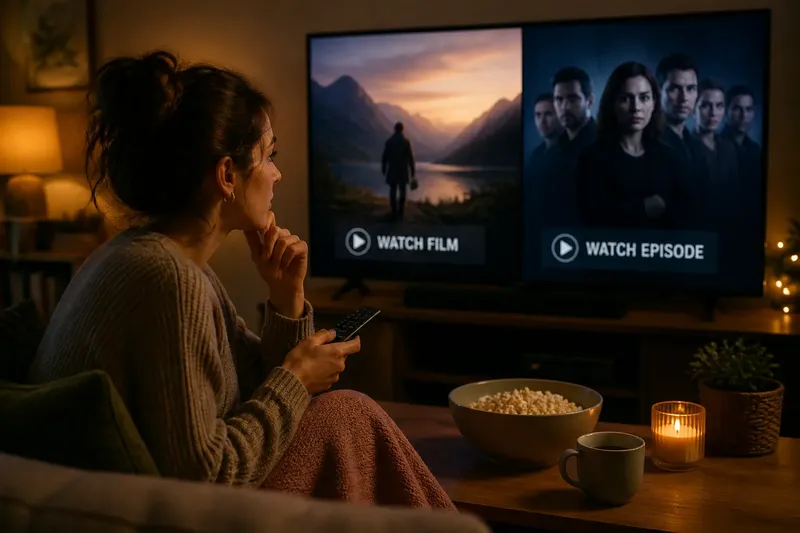
Imagine Leila and her brother Sam have finished dinner and opened a streaming app. Leila feels wrung out and wants something warm rather than tense. Sam is happy to watch together, but he has an early start and expects to head upstairs before the evening gets late. They have not agreed on a genre, and the home screen is already offering more choices than either wants to weigh.
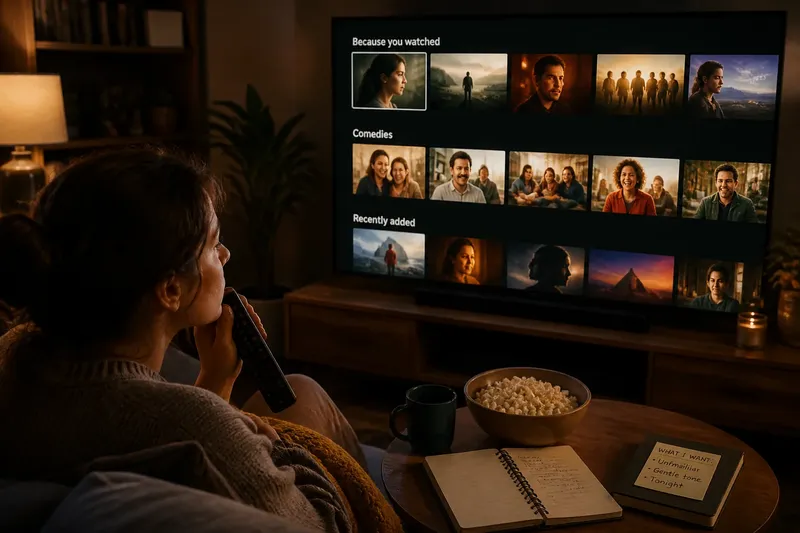
Instead of scrolling through the rows, they pause to name the three clues. Their mood is low-key; their available time is a compact evening, not an open-ended one; and their company is two people with different tastes but no appetite for a long debate. That turns a vague search into a shortlist brief.
The point is not to hold a formal meeting over the remote. It is to replace “What should we watch?” with three small questions that each do a different job. Mood describes the feeling they want, time sets a boundary, and company reveals how the choice needs to work socially.
Mood as a feeling
Leila and Sam do not begin by naming a genre. “Comedy” could mean gentle, frantic, awkward or biting; “drama” could be soothing or emotionally heavy. They describe the evening they want instead: something easy to follow, with a kind tone and no suspense that keeps them keyed up.
This wording gives them a better filter than “something cheerful”. They can consider a cosy mystery, a light comedy or a familiar adventure, while setting aside a bleak thriller even if its subject sounds interesting. Mood is not a verdict on a title’s quality; it is a clue about how that title may feel to this particular viewer tonight.
Keep the description short enough to use while browsing. Try phrases such as “quiet and absorbing”, “bright but not silly” or “tense, but not grim”. If two people want different moods, look for the overlap rather than bargaining over every title: both might accept something witty with a gentle pace.
Time as a boundary
Sam’s early start makes time more than a vague sense that the evening is short. They decide they want to finish what they begin, so they look for a self-contained film or a single episode with a clear ending, rather than starting a story that is likely to invite another instalment. That is a choice about the shape of the evening, not a judgement about which format is better.
They also distinguish viewing time from browsing time. If they spend the whole gap comparing titles, the chosen stream may begin too late to feel relaxing. A small boundary helps: set aside a brief browse, then pick from the remaining candidates rather than reopening the whole catalogue whenever a new tile appears.
Time can be flexible, but it should be honest. If Leila knows she will be distracted by a message or a household task, a dense plot may not suit the evening even if its running time fits. Conversely, when the available stretch is generous, they can choose something that needs more attention without watching the clock.
Company as a shared fit
Watching together does not require identical tastes. Leila likes character-led stories; Sam leans towards clever plots. Their useful question is not “Who gets their favourite?” but “What can both of us enjoy without either person feeling trapped?” That might point towards a warm mystery, an adventure with a light touch or a comedy that gives both the story and its characters room.
They also consider how the company will watch. If one person wants to talk, a complicated plot with subtle clues may be frustrating. If both want to settle in quietly, a film that rewards close attention could suit them. A stream is a little like choosing a shared table game: the best fit depends not just on the game, but on who is around it and how they want to spend the time.
When tastes are far apart, agree on one modest preference each before browsing: Leila asks for a kind tone, and Sam asks for a story with a puzzle to follow. Those preferences become search filters, not vetoes. If no title seems to fit, they can choose something each person is merely open to, rather than treating the evening as a contest.
From clues to shortlist
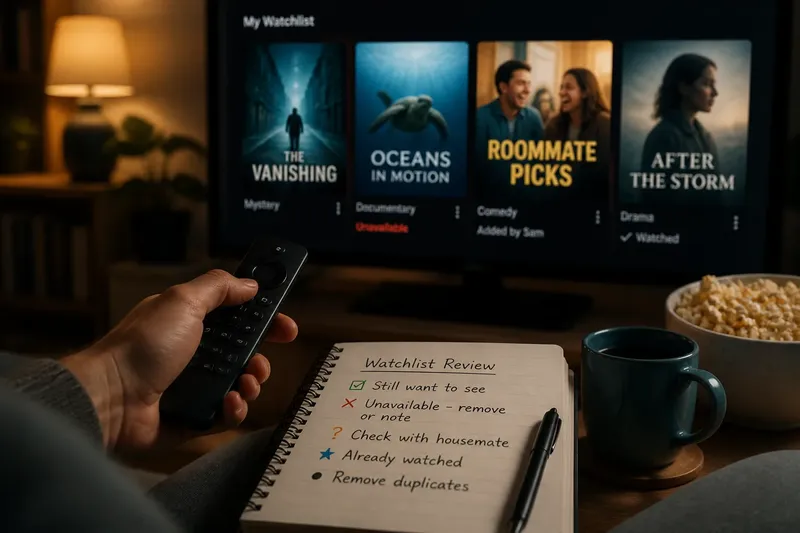
With their clues in view, Leila and Sam check a few titles already available in the app. One is a dark, sprawling thriller: it misses the mood and asks for more time than Sam wants to give. Another is a lively comedy with a harsh edge, which neither fancies tonight. A cosy mystery looks promising because it has a gentle tone, a plot for Sam to follow and a contained story they can finish.
They check the synopsis and episode information before pressing play. The description suggests a self-contained mystery, and the available details indicate that it does not require knowledge of earlier episodes. Leila and Sam choose it. The observable result is not that they have discovered a universally ideal title; it is that they stop browsing, begin a programme they can both accept and know why it suited the evening.
That is the practical payoff of keeping the clues separate. If the candidate list is still too long, tighten just one clue: make the mood more precise, choose a firmer stopping point, or name what both viewers are willing to share. If the list is empty, loosen one preference rather than abandoning the whole plan.
When a clue changes?
What if my mood is hard to name?
Start with what you want to avoid: a grim ending, a noisy pace or a plot that demands full concentration. A short “not tonight” list can make a positive mood easier to recognise as you browse.
Should I set a firm time limit?
Use a firm boundary when you need to stop at a particular point, and a looser estimate when the evening can stretch. Either way, include the time needed to choose, not only the advertised duration of the programme.
What if we cannot agree on a title?
Compare the reasons behind each preference, then look for one shared quality, such as a lighter tone or a satisfying mystery. If neither person is willing to try the other’s pick, postpone the joint choice rather than turning leisure into a negotiation marathon.
When should we change the shortlist?
Change it when a real clue shifts: someone gets tired, a task takes longer, or another viewer joins. Keep the other clues intact so a small change does not send you back to the full catalogue.
A useful last check
Before pressing play, ask whether the choice fits the mood, the time and the company you actually have now—not the evening you imagined earlier. That quick check keeps a stream from becoming one more decision to manage. For Leila and Sam, the clues did not make the menu smaller by magic; they gave each title a clear reason to stay or go, and made starting the evening easier.